See what others don't.

Most people only see part of a business.
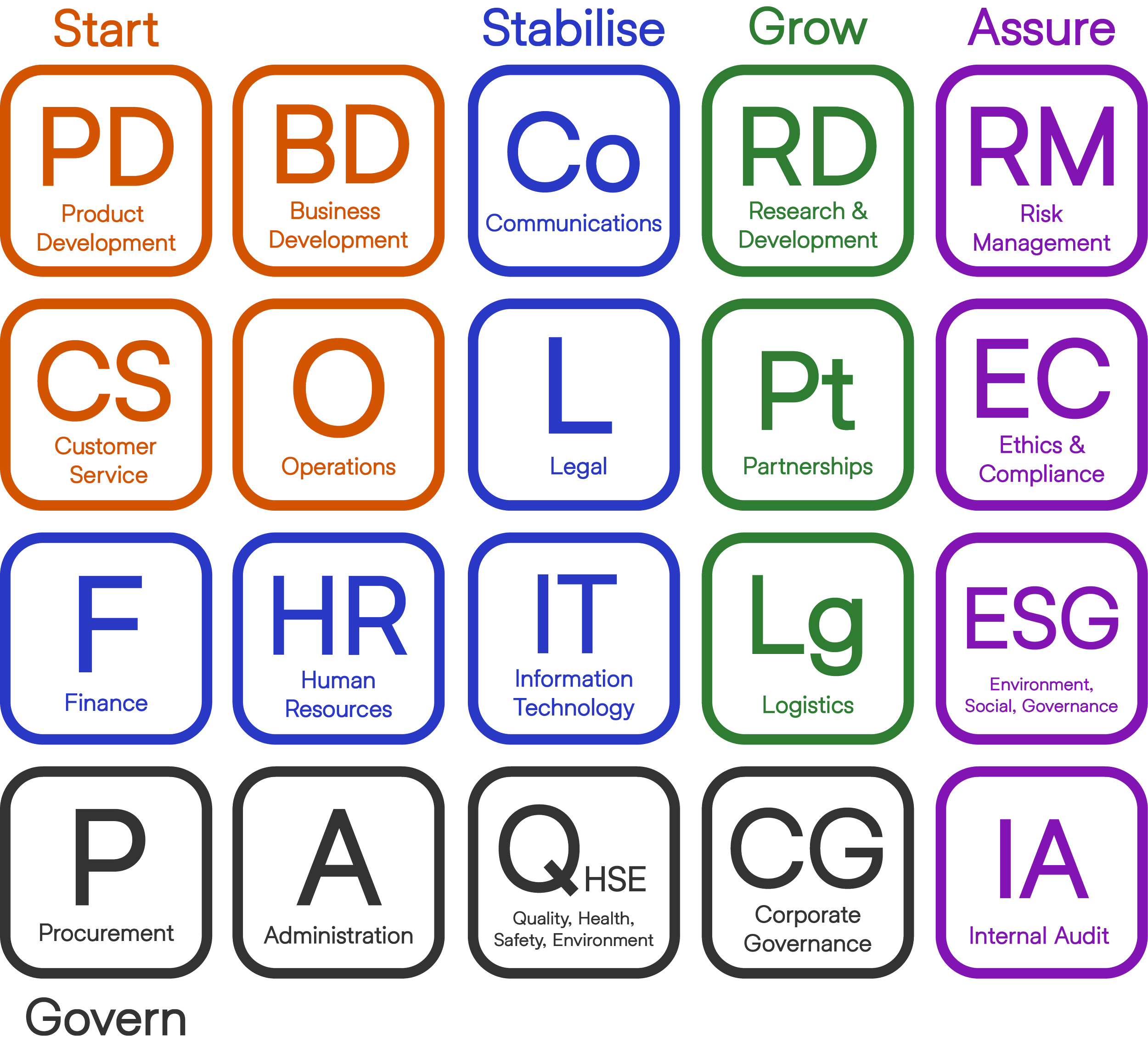
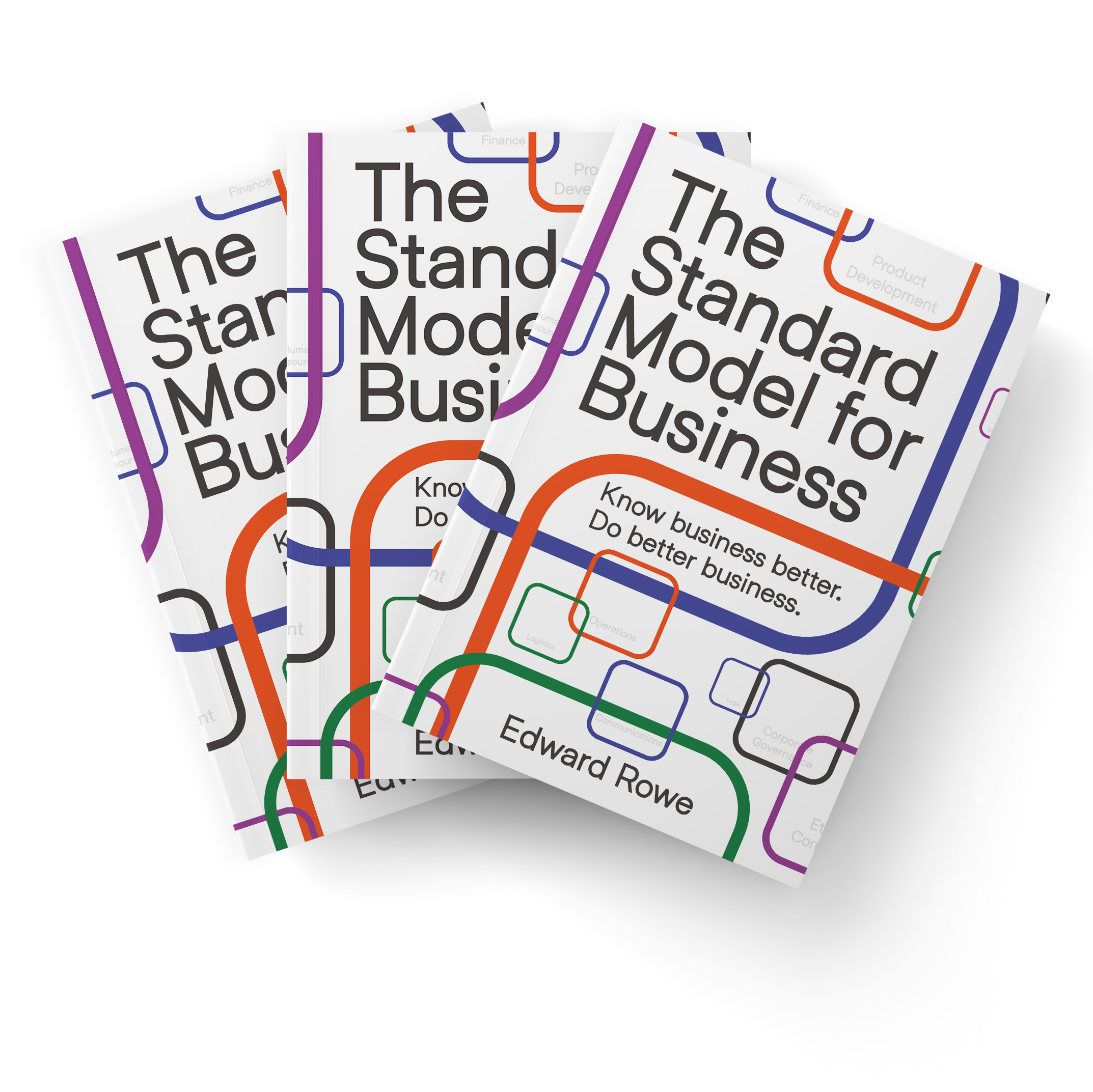
The Standard Model for Business helps you see how the whole system works, so you can make better decisions and lead with confidence.
Become. Build. Lead.
No form. No account. One click.
Featured in:



Become. Build. Lead.
Choose your path:
Become the executive you are meant to be.
Build a world-class business.
See the whole system. Lead the whole business.
One framework. The whole enterprise. Whatever stage you're at.
The Model
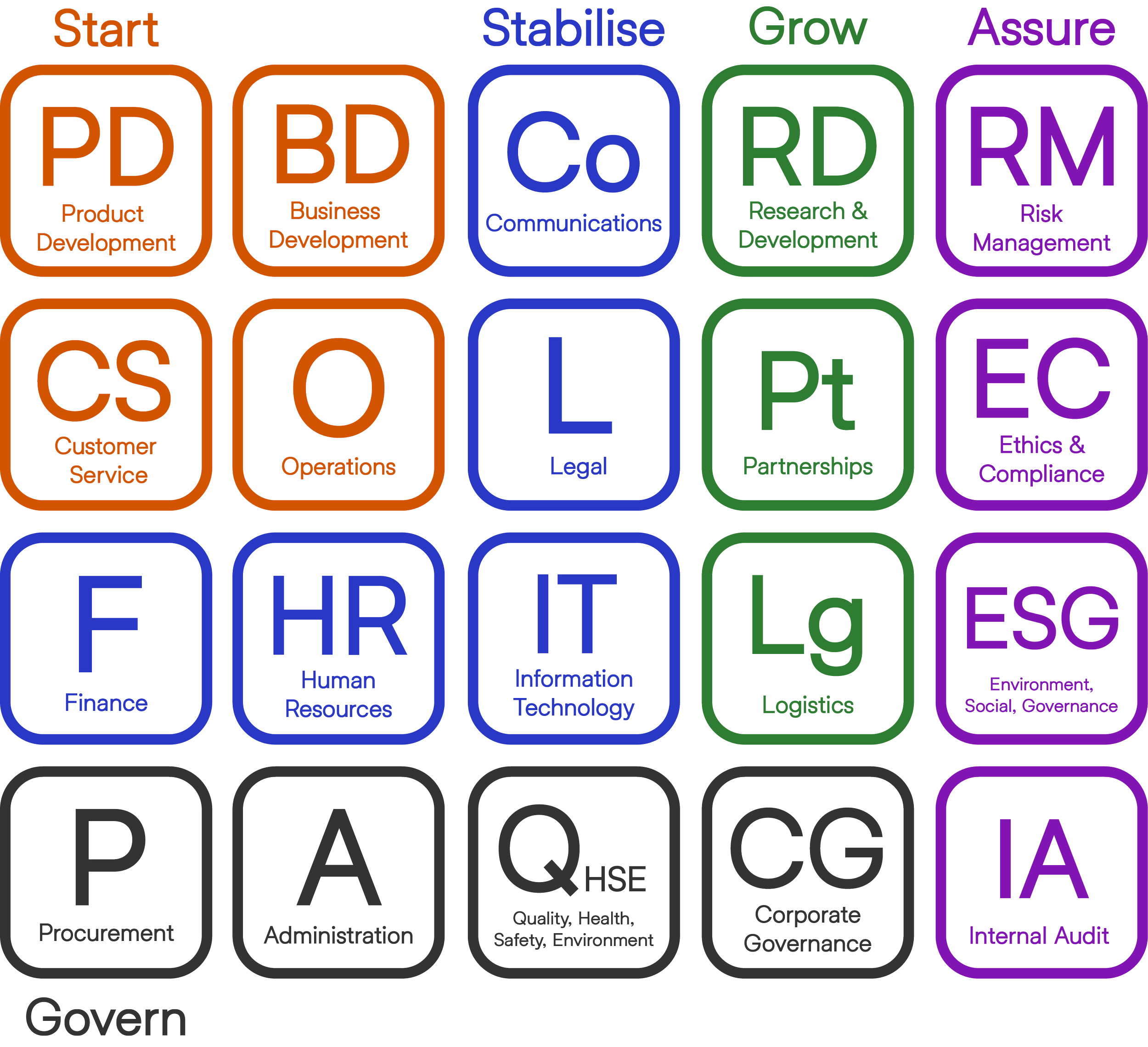
Modern organisations are complex systems, yet most professionals are trained inside functions, not across the enterprise.
The Standard Model for Business was developed to close that gap, providing a unified architecture for how companies are built, scaled and governed.
See the whole business. Lead it on purpose.
A system-level framework with practical diagnostics, simulation and training that turns organisational complexity into clarity, whether you're building, scaling, or running the enterprise.
What you get:
Clarity on the gaps that matter: where strategy, execution, governance and assurance pull apart
A shared language your whole leadership team and board can actually use
Early warning: capability gaps named before they become performance or risk failures
A way to act on it: through diagnostics, simulation and structured learning, not theory
Why generalists win:
The data backs the generalist. A Harvard Business Review study of 17,000 CEOs found over 90% rose through broad general-management backgrounds, not narrow specialisms. When organisations empower generalist thinking, they're far more likely to grow revenue and report a thriving culture.
The Standard Model is how you build that breadth — deliberately, not by a decade of trial and error.